
In-company training
Soft Skill Training for Leadership and Team Development
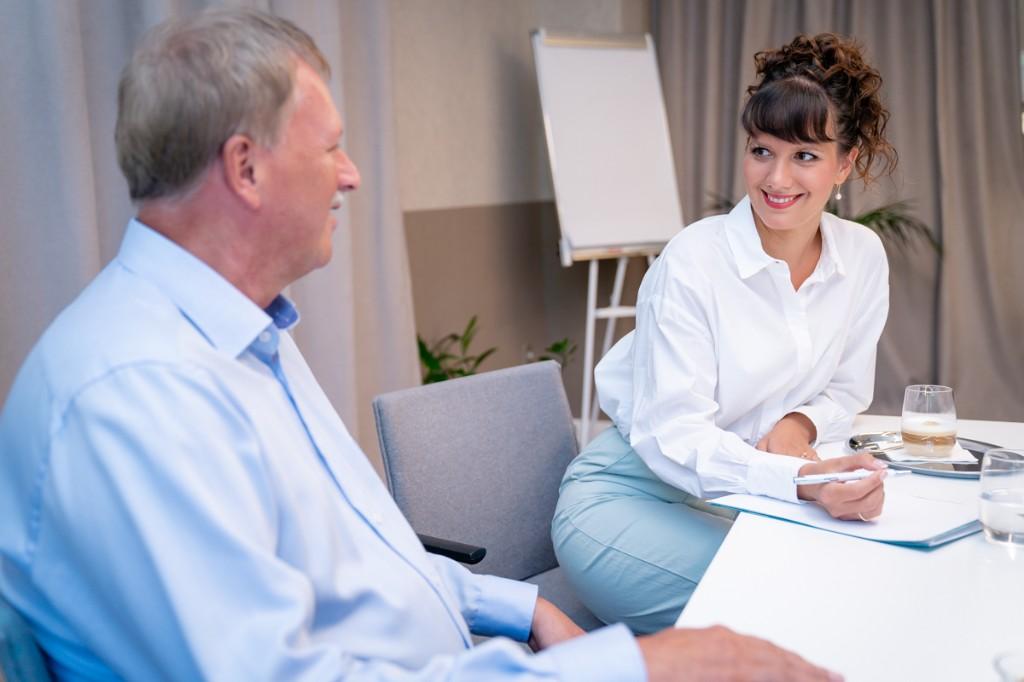
A methodology only becomes part of day-to-day work when team members can make decisions together, communicate effectively and handle difficult situations. In our skills development programmes, we work with participants’ own situations and practise leadership, communication and collaboration tools that can be applied in everyday work.
Leadership development and personal effectiveness
- Personal effectiveness and time management – distinguishing important tasks from those that are merely urgent, and planning time and energy more consciously.
- Self-awareness – using structured feedback to recognise leadership patterns that are difficult to notice from within.
- Leadership toolkit and situational leadership – understanding when people need direction, when they need support and when they need greater autonomy.
- Communication – communicating leadership messages clearly, credibly and consistently.
- Conflict management – recognising different situations and practising which approaches are most effective in each.
- Motivation at individual and team level – understanding what motivates individuals and what drives an entire team.
- Soft skills for project managers – stakeholder engagement, collaboration and project communication.
- Giving and asking for feedback – providing feedback that can be acted on and asking questions that lead to meaningful answers.
- DISC – understanding your own and others’ behavioural patterns and adapting communication accordingly.
Developing collaboration at team level
- Collaboration – shorter communication paths, simpler problem-solving and shared responsibility.
- Communication – practising situation-appropriate communication using the team’s own real-life situations.
- Conflict management – understanding different conflict styles and developing ways of working that remain effective in the longer term.
- Motivation – identifying what supports or slows down the team’s performance, followed by concrete commitments.
- DISC – individual profiles and a shared team map to help the team work more effectively with differences.
- Team coaching – working on questions relating to the team’s own way of working, drawing on its shared experience.
SMART Team Building
When communication, collaboration, dealing with change or the way the team works together gets stuck, SMART Team Building combines a shared experience with targeted development. We always tailor the programme to the team’s situation: alongside engaging, experiential activities, we use exercises, simulations and workshop tasks that start from day-to-day work and build on specific development goals. Where appropriate, it can also include more traditional activities designed to help people recharge.
We recommend it for leadership teams, project teams, units facing change, and newly formed or restructured teams that want to work consciously on how they operate, as well as enjoy a shared experience.
- Developing a project management mindset – working through a simulated project and jointly analysing how the team operates, the decisions it makes and where it can improve.
- Change management – working through attitudes and uncertainties around change, then building a concrete action plan.
- Vision and strategy – strengthening team cohesion and commitment around shared values, ways of working, rules and strategic objectives.
- Developing collaboration – modelling recurring situations from day-to-day work, exploring their causes and developing concrete solutions.
We shape the programme during planning: we talk with the client and, where necessary, with decision-makers and representatives of the participants, and design a programme that fits the team’s situation, goals and current questions. If you do not have a clear idea yet, we clarify together in the first conversation what the team needs most right now.
The team leaves with a shared experience, shared insights into how it works and concrete actions for moving forward.
Trainer
 Helga Császár
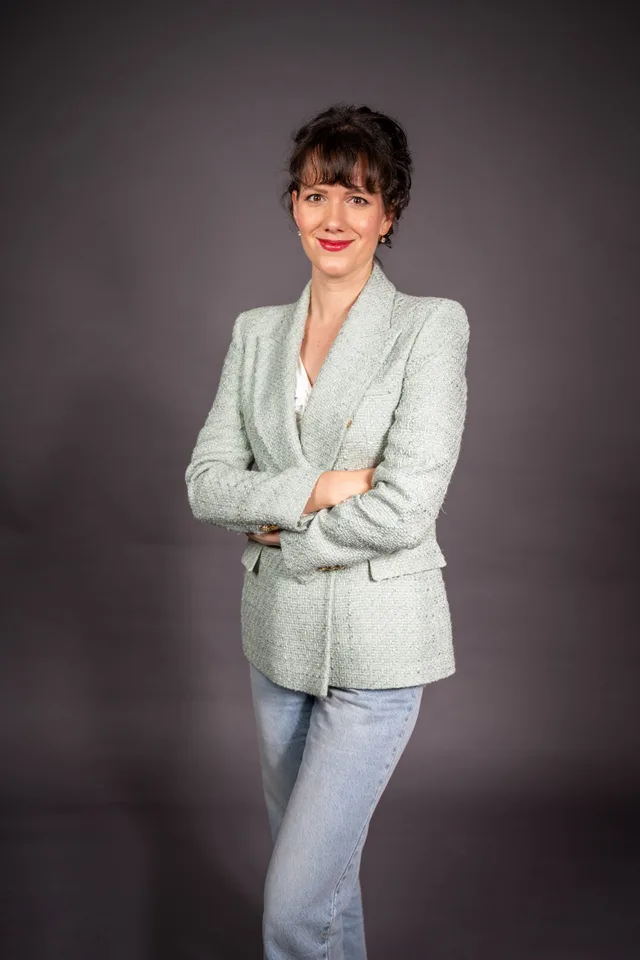 Dóra Góbi-Havrancsik